











Control consumption:Candy is a high calorie food, excessive consumption may lead to weight gain and even obesity.Long term and large consumption of candy may also increase the risk of chronic diseases such as diabetes and cardiovascular disease.Pay attention to sugar intake:Candy has a high sugar content, and excessive intake may cause damage to teeth and increase the risk of tooth decay.For people who need to control sugar intake, such as patients with diabetes, special attention should be paid to the amount of sugar intake.Choose the appropriate time to consume:Avoid eating candy before bedtime, as sugar stays in the mouth for a longer period of time and increases the risk of tooth decay.It is best to consume in moderation between meals or after exercise to replenish energy.Pay attention to candy ingredients:Some candies may contain additives, artificial colors and essence, which may have adverse effects on specific people (such as children and pregnant women).When choosing sugar free or low sugar candies, pay attention to whether they contain sweeteners (such as aspartame, sucralose, etc.) and understand their impact on health.Precautions for special populations:Parents should supervise and ensure that children consume candy in moderation to avoid affecting their regular meal intake.Pregnant and lactating women should consume in moderation to avoid affecting their own health and fetal development.Elderly people or those with chronic diseases such as hypertension and hyperlipidemia should be cautious when consuming candy to avoid worsening the condition.Storage and food safety:Ensure that candy is stored in a dry, cool place, away from direct sunlight and high temperatures to maintain its quality and taste.Pay attention to checking the shelf life of candies and avoid consuming expired candies.In summary, when consuming candy, it is important to pay attention to appropriate, timely, and healthy choices, and to ensure the safety of special populations. By consuming in a reasonable way, one can ensure that they enjoy delicious food without affecting their physical health.
03-25Knowledges

SecurityAvoid small candies: For younger children, they should avoid choosing candies with small or irregular shapes to prevent choking hazards caused by accidental ingestion or getting stuck in the throat. Soft candies and hard candies require special attention as they are prone to getting stuck in children's throat or trachea.Check packaging: Ensure that the candy packaging is intact and undamaged, without any cracks or looseness. At the same time, it is necessary to check whether the labels on the packaging are clear, including product name, production date, shelf life, ingredient list, and other information.Pay attention to allergens: If children have a specific history of food allergies, such as peanuts, milk, etc., they should carefully check the ingredient list of candy to ensure that it does not contain allergenic ingredients.Ingredients and NutritionLow sugar or sugar free: Try to choose low sugar or sugar free candies to reduce children's sugar intake and lower the risk of obesity and tooth decay.Natural ingredients: Choose candies that contain natural ingredients, such as fruit juice, honey, etc., to avoid excessive artificial additives and coloring.Nutrients: Some high-quality children's candies contain beneficial nutrients for children, such as vitamin C, calcium, iron, etc. Parents can pay attention to the addition of these nutrients when making purchases.Taste and flavorModerate taste: Choose candy with a moderate taste and easy to chew, avoiding candy that is too hard or sticky to the teeth, to prevent damage to children's teeth and mouth.Pure flavor: high-quality candy should have pure flavor, without too much essence and pigment flavor. Parents can understand the taste and flavor of candy by tasting or viewing reviews from other consumers.Brand and reputationFamous brands: Prioritize candy produced by well-known brands, as these brands typically have stricter production standards and quality control systems to ensure product quality and safety.Good reputation: Understand other parents' evaluations and feedback on candy, and choose products with good reputation. Relevant information can be obtained through social media, e-commerce platforms, and other channels.Moderate consumptionControl consumption: Even if parents choose high-quality children's candies, they should control their children's consumption and avoid excessive intake of sugar and calories.Pay attention to the timing of consumption: Avoid giving children candy before meals or before bedtime to avoid affecting appetite and sleep quality.In summary, when choosing children's candies, parents need to pay attention to safety, ingredients and nutrition, taste and flavor, brand and reputation, and moderate consumption. By careful comparison and selection, children can choose candy products that are both delicious and healthy.
03-25Knowledges
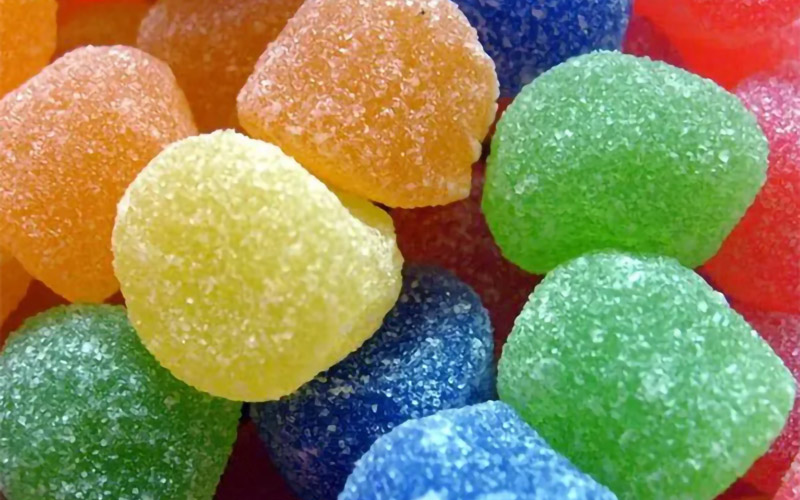
Sugar content is an important indicator for measuring the quality of candy. Excessive sugar content may not only affect the taste, but also have adverse effects on consumers' health.For children's candies, strict control of sugar content is particularly important. Children are in the stage of growth and development, and excessive sugar intake may lead to health problems such as obesity and tooth decay. Therefore, high-quality children's candies usually use low sugar formulas or natural sweeteners to replace some sugar to reduce the sugar content of the product.In addition, high-quality candies also pay attention to the source and type of sugar. Some high-quality candies may choose to use healthier sources of sugar, such as honey, maple syrup, etc. These natural sweeteners not only have a better taste, but also have certain nutritional value. At the same time, high-quality candies can also avoid excessive use of unhealthy sugar sources such as high fructose corn syrup to reduce potential risks to consumer health.In addition to sugar content, high-quality candies also undergo strict control over ingredients, taste, packaging, and other aspects to ensure product quality and safety. Therefore, when choosing children's candies, parents should pay attention to the ingredient list, nutritional content list, and other information of the product, and choose high-quality candies that are low in sugar, healthy, and have a good taste.In short, strict control of sugar content is one of the important characteristics of high-quality candies. By choosing low sugar and healthy candy products, parents can provide their children with healthier and more delicious snack choices.
03-25Knowledges

Analysis of ingredient listSugar and calories:Candy with low sugar content and low calories is relatively healthier. The lower the energy (calorie) value in the ingredient list, the better, and the lower the carbohydrate value (i.e. sugar content), the relatively healthier it is.Traditional ingredients such as white sugar, maltose, etc. typically have a carbohydrate (sugar) content of over 82 grams per 100 grams and over 330 calories. Overconsumption may be harmful to the body.Artificial oils and fats:High quality candies should avoid using artificial oils such as hydrogenated vegetable oils (including creamer, vegetable fat powder, margarine, cocoa butter substitutes, etc.). These oils may contain trans fatty acids, which are harmful to cardiovascular health.Food additives and food coloring:High quality candies should have no or low levels of added food additives and food coloring. Although these artificially synthesized additives can make candy look bright and tempting, with endless variations in taste, long-term intake may be detrimental to health.Pay special attention to avoiding controversial artificial sweeteners such as aspartame.Packaging and Appearancepacking:High quality candy, with good moisture resistance of packaging paper, clear trademark patterns, sugar names, and factory names, tight, tight, and neat packaging, and no cracking or loosening phenomenon.High end candies may have several layers of packaging, and the packaging is exquisite.appearance:High quality candies have a smooth and even surface, without cracks, defects, adhesives or impurities, and good transparency (except for milk candies).If the candy is incomplete in size, sticky, and lacks transparency (excluding milk candies), it may be a low-quality candy.Sensory ExperienceFragrance:High quality candies should emit a pure fragrance, and each candy has its unique aroma.If the candy loses its original fragrance, it may mean that the quality has changed and is not suitable for purchase.texture:Poor quality candies usually have a burnt bitter taste or other unusual flavors.High quality candy should have a smooth and moderate sweetness, without any off flavors. Especially for milk fat sugar, protein sugar, and chocolate sugar, the taste should be very delicate.Other precautionsThe phenomenon of sanding after closing:The packaging paper on the surface of the candy has a small amount of stickiness, indicating slight looseness; Those who begin to melt and deform are severely affected.Sanding is a phenomenon in which sugar in candy dissolves and recrystallizes. Severe sanding can make the candy brittle and fragile, making it unsuitable for purchase.Sugar free candy:For people who need to control their sugar intake, sugar free candies can be chosen, but attention should be paid to whether they use other sweeteners and their calorie and other nutritional components.Production date and shelf life:When purchasing candy, attention should be paid to checking the production date and shelf life to ensure that fresh and safe candy is purchased.In summary, through a comprehensive consideration of ingredient list analysis, packaging and appearance inspection, sensory experience, and other precautions, it is possible to accurately distinguish between good and bad candies. When purchasing and consuming candy, parents should guide children to choose healthy and safe candy varieties and control their consumption.
03-25Knowledges
Copyright: Xinda Industry Trade Co.,Ltd Powered by: 11400.cc
粤ICP备2025407687号-1
Copyright: Xinda Industry Trade Co.,Ltd Powered by: 11400.cc
粤ICP备2025407687号-1